


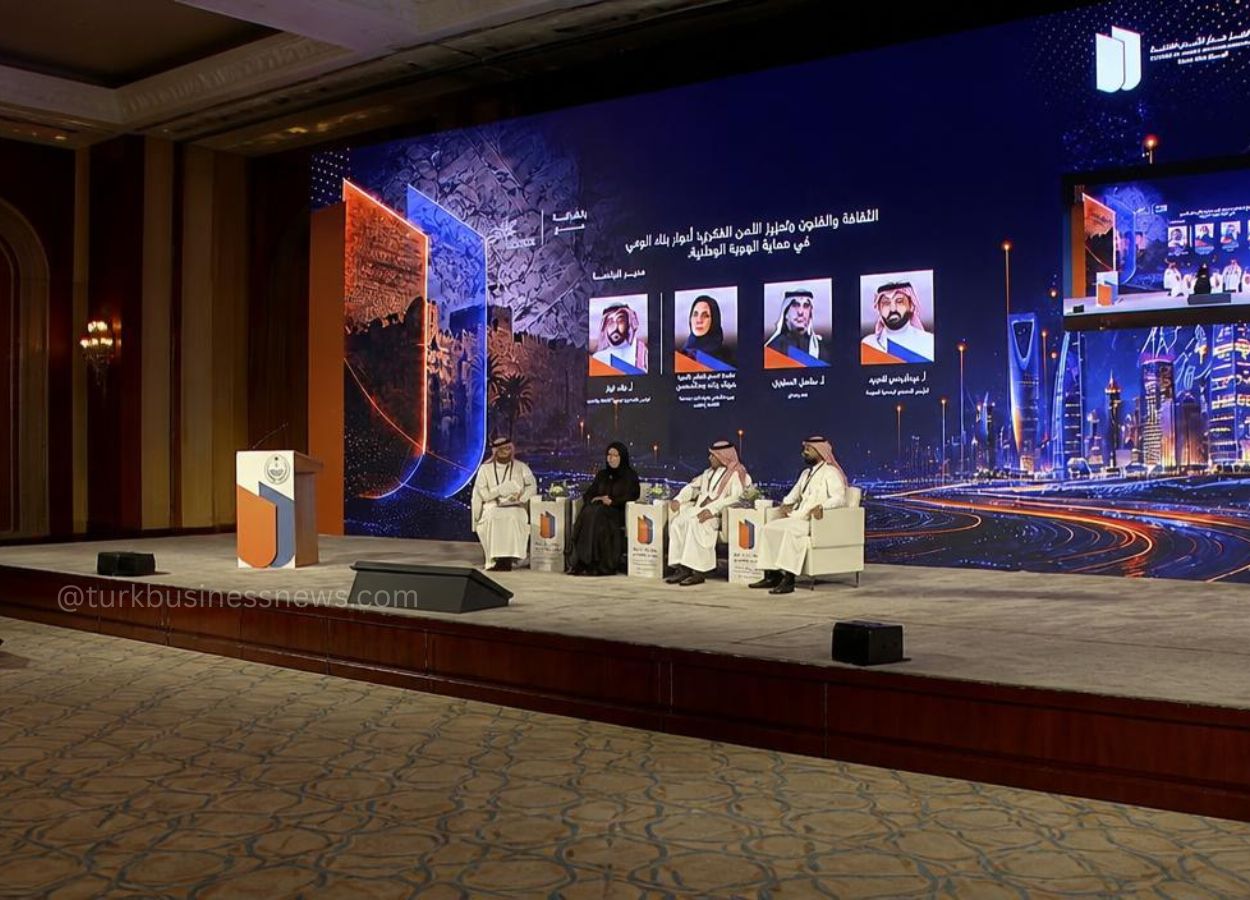
Expression and preservation of culture provide a very important wall of defence in protecting national identity and ensuring that there is no threat to the intellectual security of society from outside forces, stated cultural figures and experts in their respective fields during the last day of the Security and History Dialogue Conference in Saudi Arabia’s capital city.
Princess Haifa bint Abdulmohsen bin Abdulaziz Al‑Saud spoke at a panel discussion called “Culture and Arts and Strengthening Intellectual Security”. She is the director of development and partnerships at the Arabian Society for Culture and Arts. She stated that cultural preservation and memory must be treated as an institutional responsibility, not as an optional priority. Cultural preservation is not a side not. It is a core duty that must be upheld by every institution. She emphasised that cultural organisations play an irreplaceable role in shaping public consciousness and transmitting core national values to coming generations.
The forum examined how domestic creative platforms—spanning local theatre, cinema, and fine arts—act as crucial channels for reinforcing collective thought and national belonging. Panellists strongly rejected the idea that cultural confidence hinders global engagement. Instead, speakers asserted that a firm foundation in Saudi heritage equips citizens to participate more effectively in international dialogue.
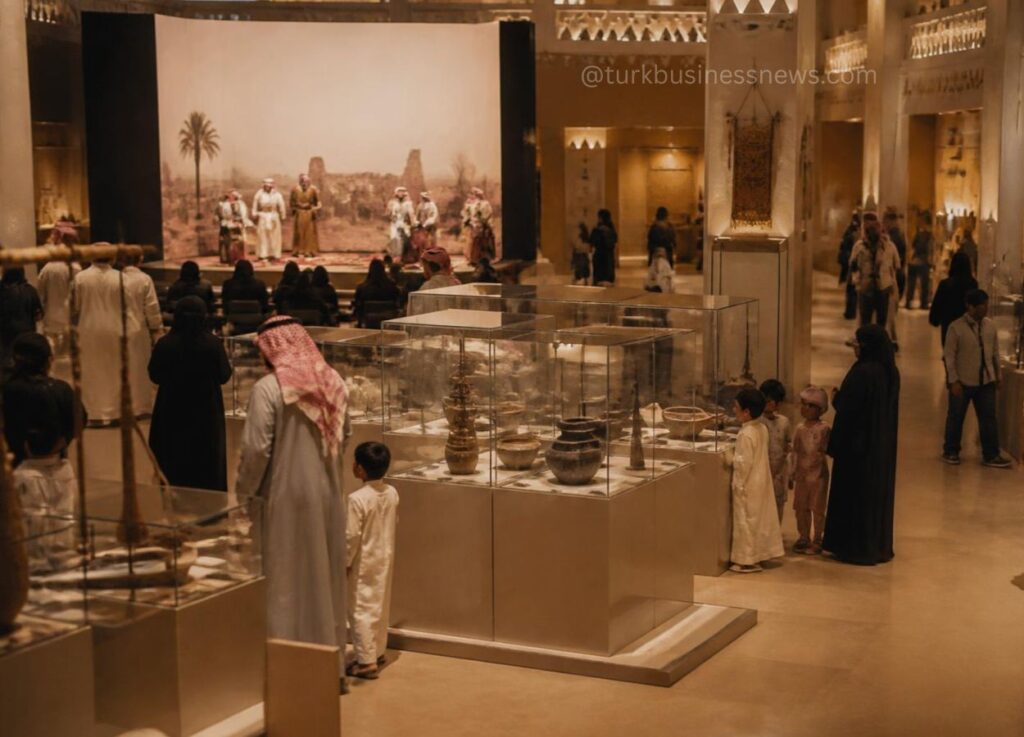
Distinguished speakers noted that true cultural universality stems from authentic local roots rather than imitating foreign artistic trends. Global audiences, experts observed, seek out original narratives that genuinely reflect the unique social fabric and historical trajectory of the Kingdom. Expanding Saudi theatrical and cinematic productions was highlighted as a priority to communicate the nation’s rich heritage on both regional and international stages.
Panellists further emphasised that institutional responsibility extends beyond physically cataloguing archives. Cultural entities must actively bridge historical knowledge and society by converting historical records into dynamic, accessible creative works. Highlighting historical figures, traditional villages, and social history through dramatic storytelling creates immersive experiences that resonate deeply with diverse segments of the population.
By translating historical milestones and national security achievements into engaging visual media and performance arts, the Kingdom continues to cultivate civic pride. As the three-day conference organised by the Ministry of Interior concluded at the Cultural Palace in Riyadh’s Diplomatic Quarter, speakers reiterated that safeguarding artistic expression ultimately protects the collective memory, sovereignty, and intellectual resilience of the nation.

I am passionate about reporting on current affairs, public policy, technology, and social issues. The main focus is on delivering well-researched, accurate, and reader-friendly stories that simplify complex topics. Through my writing,, the aim is to provide credible information.