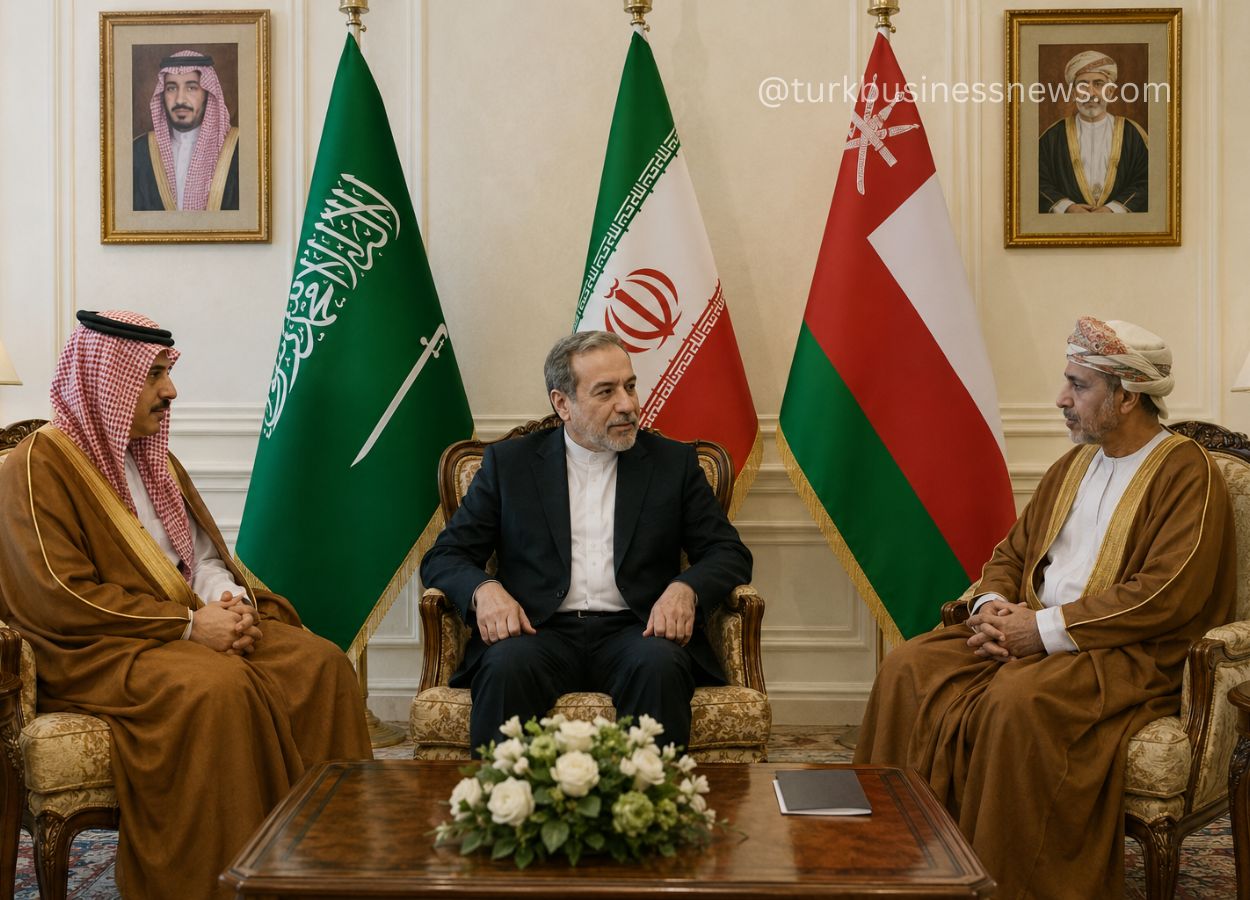


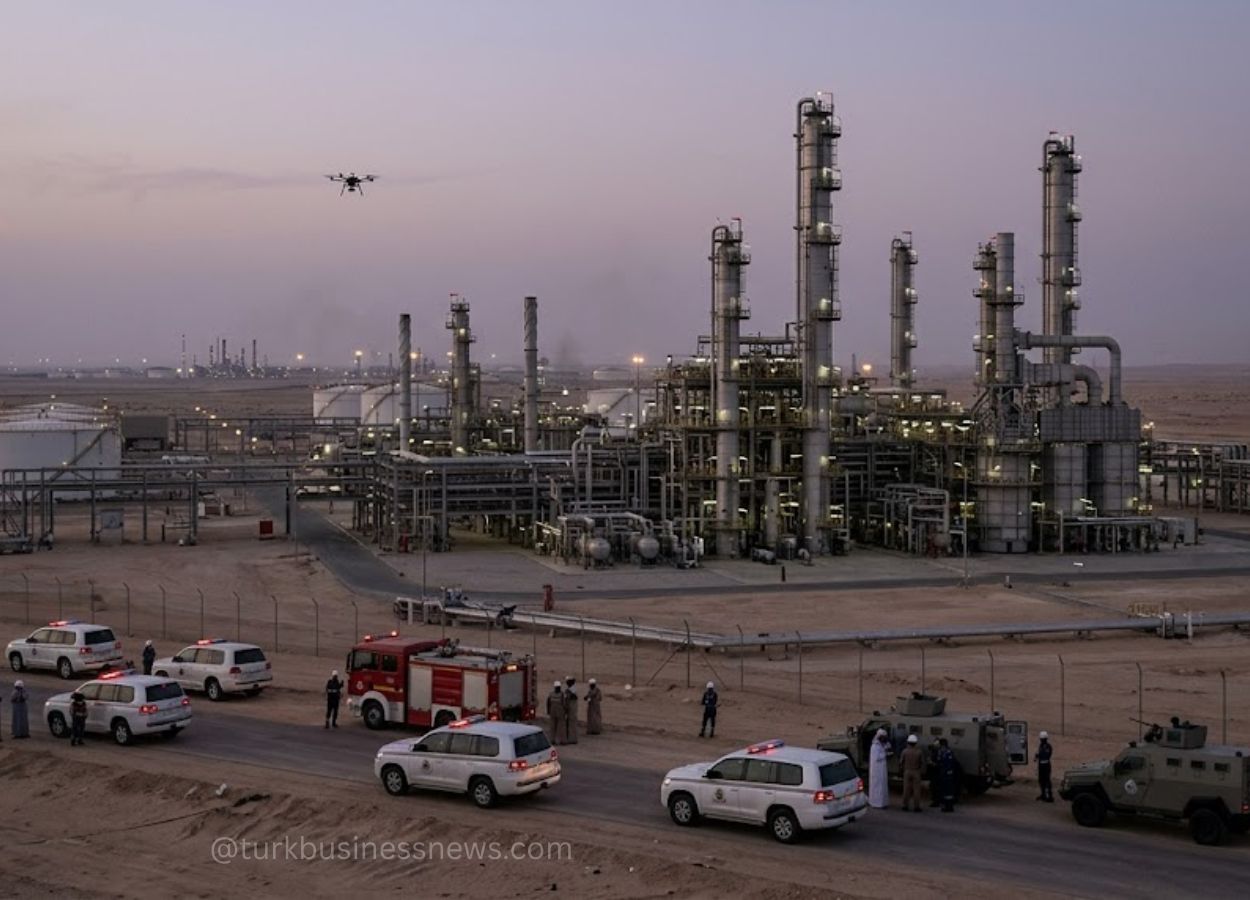
Leading worldwide Muslim bodies and Gulf-allied countries spoke in a collective voice to denounce a drone strike on Saudi Arabia’s East-West oil pipeline. The organizations have termed the action a major act of aggression that puts regional security and the world’s energy facilities in jeopardy.
The united show of regional unity follows an aerial strike on important energy installations in the regions of Riyadh and Madinah. The attack led the Saudi Ministry of Energy to carry out a precautionary temporary closure of the critical pipeline system due to safety risks. Specialized technical teams and emergency response groups were dispatched to protect the installations that are damaged and, serve the injured, and assess the extent of the damage.
The attack drew immediate, widespread condemnation from major multilateral organizations, including the Gulf Cooperation Council (GCC), the Organization of Islamic Cooperation (OIC), and the Muslim World League (MWL), as well as individual statements from Qatar, Bahrain, and Egypt. GCC Secretary-General Jasem Mohamed Al-Budaiwi labeled the drone strikes an unacceptable threat to Saudi sovereignty and a flagrant breach of international law, reiterating the bloc’s complete rejection of any hostile actions aimed at destabilizing the Kingdom’s national capabilities.
Concurrently, neighboring Gulf nations reaffirmed total alignment with Riyadh’s defense posture. Qatari officials commended Saudi Arabia’s measured diplomatic approach in coordinating with authorities in Baghdad to ensure Iraqi territory is not exploited by non-state actors for hostile operations. From Bahrain, state officials declared that Saudi Arabia’s internal security remains an integral pillar of broader Gulf security, endorsing the Kingdom’s sovereign right under international law to take all necessary protective measures.
In Mecca, MWL Secretary-General Sheikh Mohammed bin Abdulkarim Al-Issa described the strikes as criminal acts that flout fundamental humanitarian and religious norms, assuring the Kingdom of the full support of the global Muslim community.
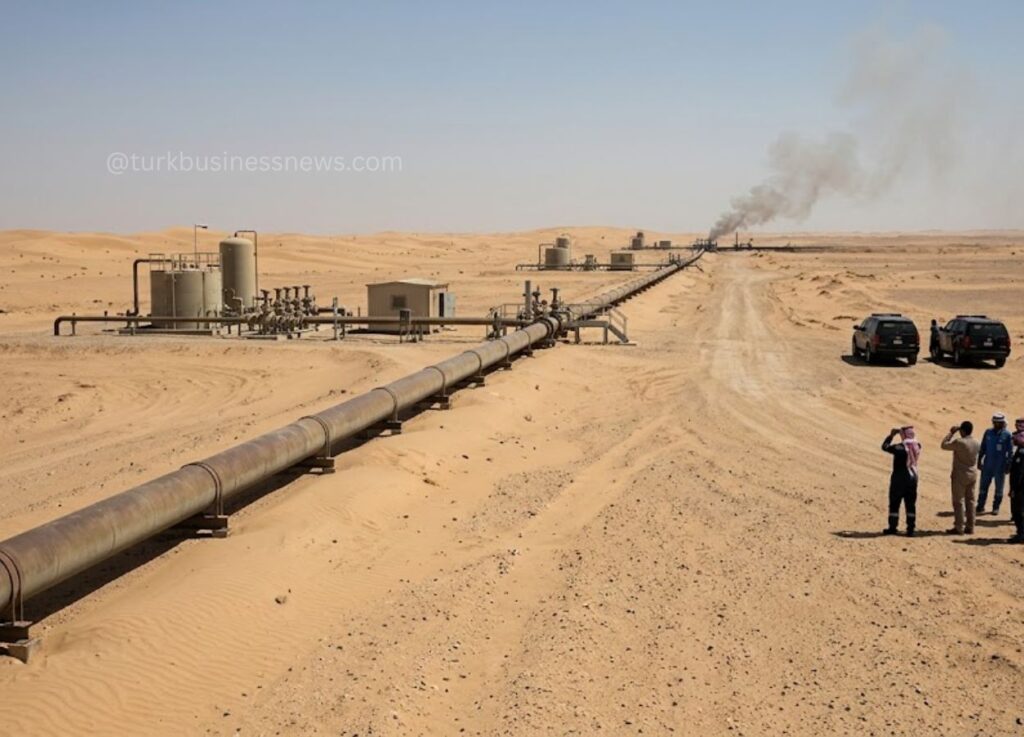
Spanning roughly 1,200 kilometers to transport crude from eastern oil fields to the western port of Yanbu, the East-West pipeline serves as Saudi Arabia’s primary strategic bypass route around the Strait of Hormuz. The temporary operational pause highlights ongoing vulnerabilities across Middle Eastern transit corridors, reinforcing urgent calls across regional capitals for enhanced collective security measures and strict enforcement of national sovereignty laws.

I am passionate about reporting on current affairs, public policy, technology, and social issues. The main focus is on delivering well-researched, accurate, and reader-friendly stories that simplify complex topics. Through my writing,, the aim is to provide credible information.