

The co-directors of the innovative narrative, Assutur, Rulan Hasan and Sara Masry, have successfully created necessary social discourse in the Middle Eastern region by tackling sensitive issues in a way that is unprecedented in terms of breaking the taboo surrounding sensitive cultural topics. With massive praise received on the regional festival circuits, this movie emerges as one of the most significant films made during the nascent years of the cinema industry of the Kingdom.
This independent film has been honored by the jury of the 12th Saudi Film Festival, which took place at King Abdulaziz Center for World Culture (Ithra), Dhahran. By visually exploring personal dilemmas often obscured by traditional community expectations, Assutur underscores the broadening creative freedom and thematic maturity defining modern Saudi cinema under ongoing national investments in the cultural sector.
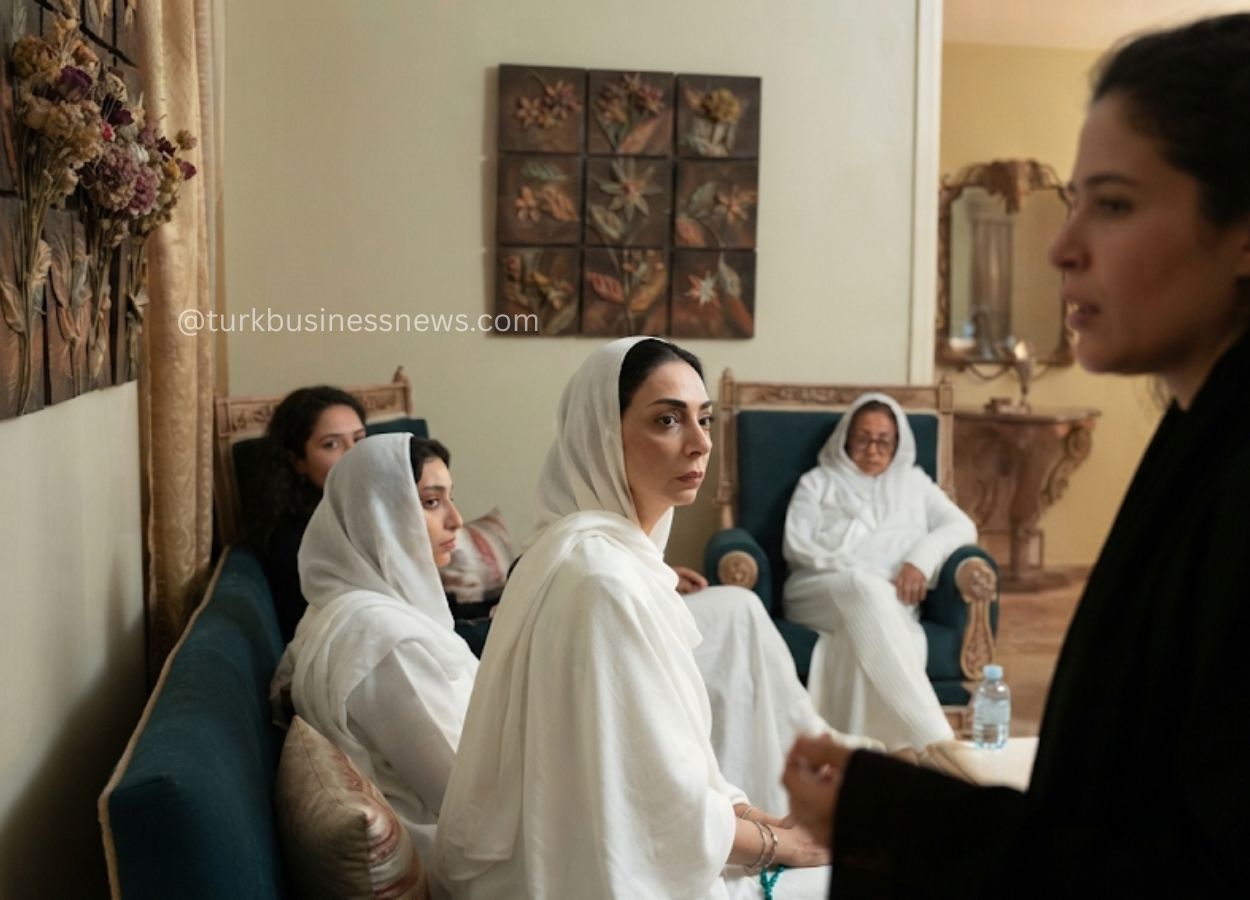
Conceived following an intense collaborative scriptwriting process, the co-writers sought to build an authentic story rooted in recognizable human behavior. Set against the emotional backdrop of a family funeral, Assutur follows a young patient confronting long-held past trauma who must decide whether to break her silence or endure inherited suffering.

The narrative examines how conservative social constructs—frequently tied to ideas of family reputation, honor, and public perception—can encourage individuals to suppress painful personal truths. Reflecting on the core motivation behind the story, Masry noted that in many traditional societies, the initial instinct following challenging disclosures is often to enforce silence rather than address underlying experiences openly.
Public reaction during its Dhahran screenings highlighted the project’s profound emotional resonance with local cinema audiences. Viewers met the ending credits with an initial, reflective silence before breaking into sustained applause, which immediately transitioned into active Q&A sessions regarding the project’s thematic underpinnings. Both filmmakers emphasized that triggering these genuine post-screening conversations represented their ultimate goal, signaling a meaningful shift in how local communities interact with challenging cinematic themes.
The critical success of Assutur highlights a broader evolutionary phase in the Gulf region’s entertainment landscape, in which rising directors increasingly approach sensitive themes with artistic nuance and narrative restraint. Organized by the Cinema Association alongside Ithra and supported by the Saudi Film Commission, platforms like the Saudi Film Festival continue to nurture homegrown talent while expanding local exhibition spaces.
As Saudi Arabia invests heavily in cinematic infrastructure, training programs, and production grants, films like Assutur prove that the nation’s rising film sector is evolving far beyond standard commercial entertainment to become an indispensable vehicle for self-reflection and constructive societal dialogue.

I am passionate about reporting on current affairs, public policy, technology, and social issues. The main focus is on delivering well-researched, accurate, and reader-friendly stories that simplify complex topics. Through my writing,, the aim is to provide credible information.