

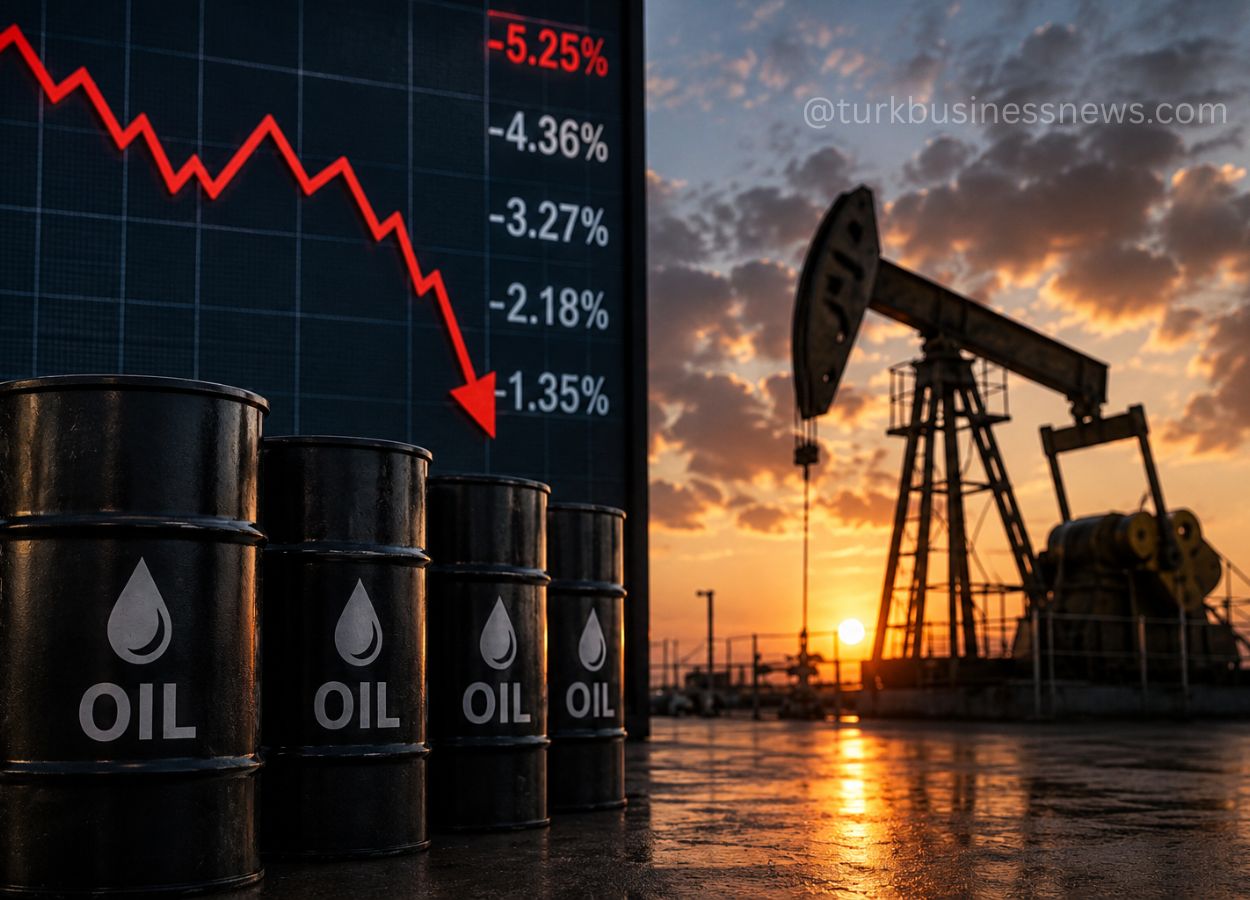
On Monday, the global price of oil decreased more than 5% after a reduction in tensions between the US and Iran, calming the oil distribution from the Middle East. The sharp decline followed a weekend pause in hostilities, improving investor confidence that diplomatic efforts could prevent further escalation in one of the world’s most strategically important oil-producing regions.
During Monday trading, the Brent crude future fell to around $92 per barrel, while the US West Texas Intermediate (WTI) also recorded steep losses. The decline erased last week when escalating regional tensions had pushed oil prices close to the $100 mark. Markets had previously priced in the risk of prolonged conflict affecting crude exports and shipping through the Strait of Hormuz, a vital corridor that carries a significant share of global oil supplies.
The latest retreat in prices reflects growing optimism that the temporary halt in military operations could create room for renewed diplomatic engagement. Although no comprehensive agreement has been announced, traders interpreted the absence of fresh attacks as a sign that immediate threats to regional energy infrastructure and maritime traffic may be easing.
Despite the market’s positive reaction, analysts cautioned that geopolitical risks remain elevated. Commercial shipping activity through the Strait of Hormuz has yet to fully recover, while security concerns continue to influence vessel movements across nearby waterways, including the Bab al-Mandeb. Energy traders are expected to closely monitor any changes in military activity or diplomatic negotiations that could quickly alter supply expectations.
Fears drove the earlier surge in crude prices that escalating confrontation between Washington and Tehran could interrupt exports from the Gulf, a region responsible for a substantial portion of the world’s oil production. As those fears temporarily eased, investors shifted focus toward supply fundamentals and broader economic indicators.
Market participants are now awaiting further developments in US-Iran diplomacy alongside upcoming economic data and central bank decisions, all of which could influence energy demand and determine whether oil prices stabilize or resume their recent volatility.

I am passionate about reporting on current affairs, public policy, technology, and social issues. The main focus is on delivering well-researched, accurate, and reader-friendly stories that simplify complex topics. Through my writing,, the aim is to provide credible information.