

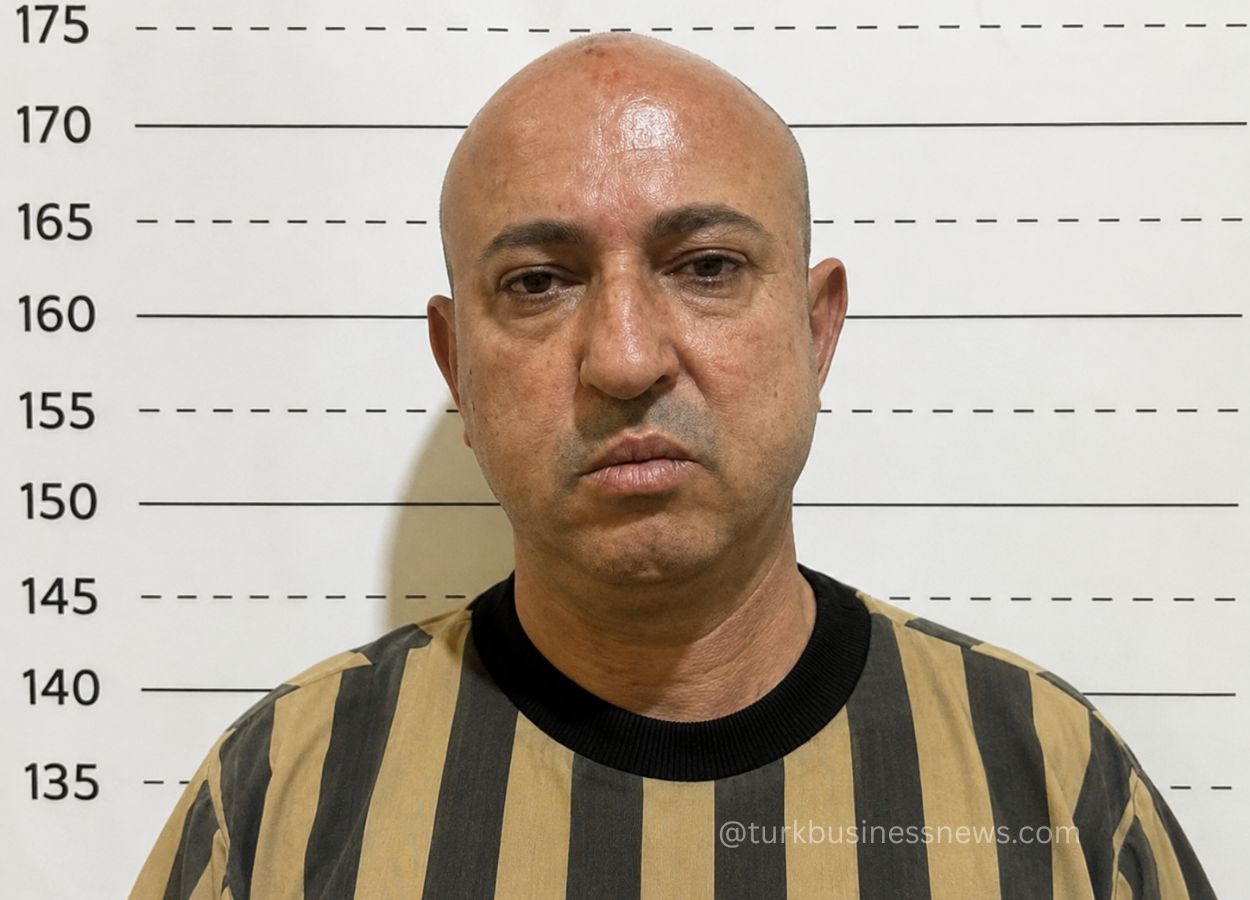
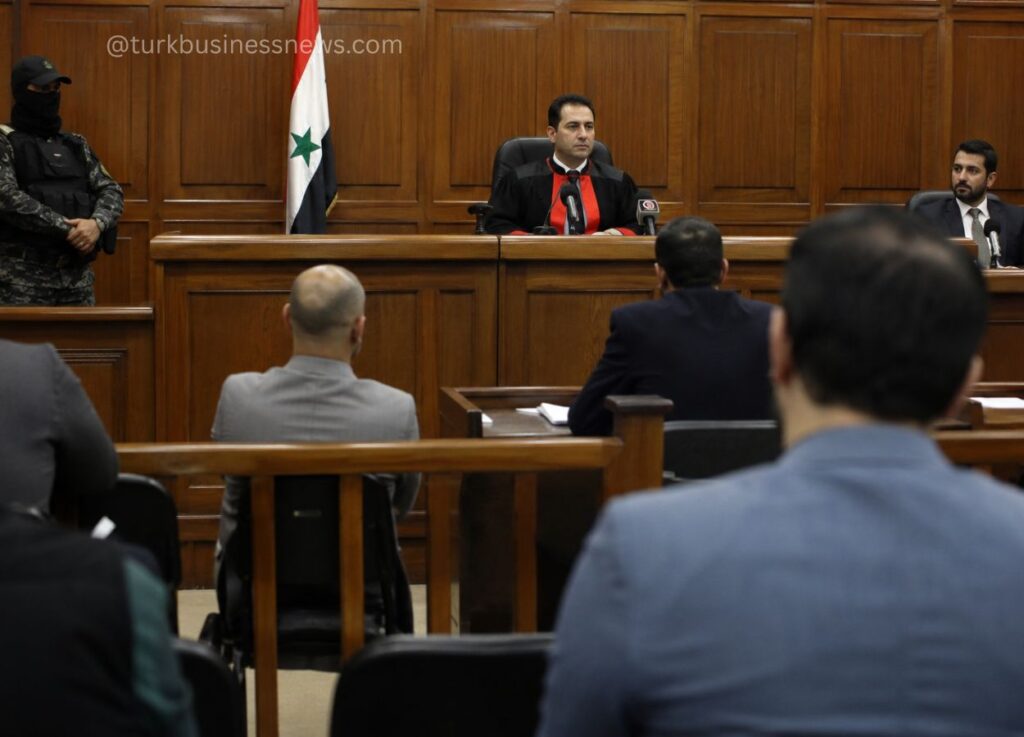
The Fourth Criminal Court of Damascus ruled in absentia on Tuesday a death sentence on Wasim al-Assad, who is a cousin of former president of Syria, Bashar al-Assad, after his indictment for war crimes and crimes against humanity during the reign of the former government.
The judge, Fakhr al-Din al-Oryan, pronounced the decisive ruling during the sixth session of this highly publicised trial. According to the court, all the evidence presented was enough to prove that al-Assad played a direct role as a leader of the armed paramilitary groups that were acting based on orders from Fourth Division commander Brigadier General Ghiath Dalla. The groups carried out the military attacks against the civilian population in Eastern Ghouta, especially the town of Al-Mleiha.
The judicial panel further convicted al-Assad on multiple counts of premeditated murder, systematic torture, armed robbery, and targeted kidnapping. The final ruling specifically highlighted an aggressive raid in the Damascus suburb of Jaramana, where al-Assad’s loyalist militants stormed a commercial establishment, looted private property, and abducted the business owner over his explicit political opposition to the ruling government. Beyond battlefield atrocities and civilian intimidation, the prosecution detailed his central role in running illicit drug trafficking networks—most notably the regional smuggling of Captagon—alongside organised extortion rings.
As part of the court order, Judge al-Oryan mandated the immediate execution of capital punishment alongside the conversion of all precautionary freezes on al-Assad’s movable and immovable assets into permanent state seizures for the national treasury. Official representatives from the National Transitional Justice Commission and international human rights monitors observed the courtroom proceedings.
Arrested near the Syrian-Lebanese border in June 2025 during a coordinated intelligence operation, al-Assad remains the only prominent member of the former ruling family to face justice in person. Although the judgement is subject to appeal before the Court of Cassation, the landmark ruling marks a fundamental turning point in Syria’s evolving post-regime transitional justice framework.

I am passionate about reporting on current affairs, public policy, technology, and social issues. The main focus is on delivering well-researched, accurate, and reader-friendly stories that simplify complex topics. Through my writing,, the aim is to provide credible information.