


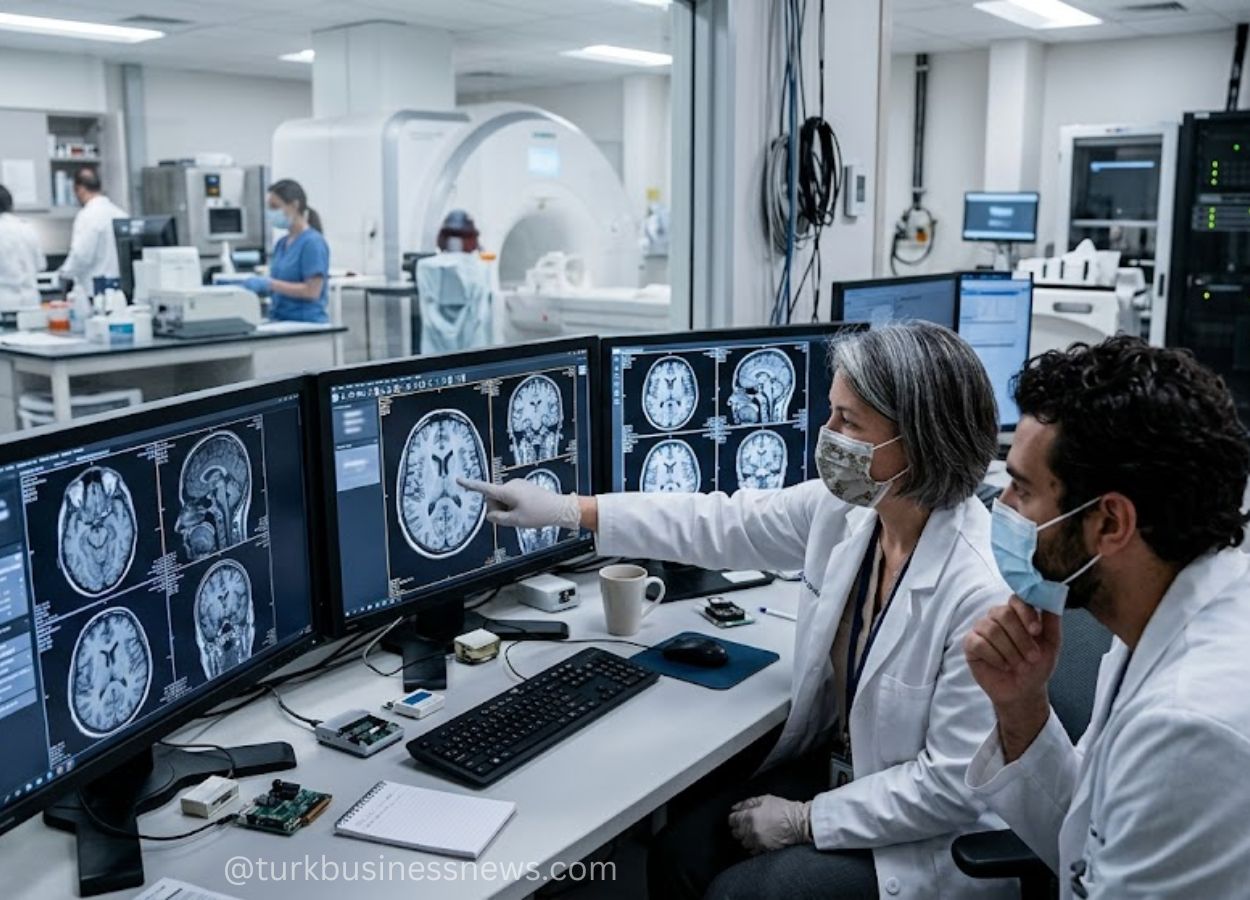
Watching television for a time over many years might be linked to changes in the shape of the brain. These changes could make it more likely for someone to have problems with thinking and memory as they get older. This is what new research says.It appears to have a much stronger impact on males than females
These results were published in the journal Alzheimer’s & Dementia. This study employed data collected over 24 years from 1,712 people. These participants were 53 years old at the beginning of the study. The research was part of an initiative called Atherosclerosis Risk in Communities. At the beginning, the people said how often they watched television when they were not working. They also told how much time they spent sitting at their jobs. 20 years later, they had scans of their brains so scientists could check how the brains were doing.

Participants who reported heavy television viewing showed smaller volumes in brain regions associated with early markers of Alzheimer’s disease, along with a greater presence of white matter hyperintensities—both signs linked to elevated dementia risk. They also had reduced volume in frontal and posterior brain regions responsible for planning, decision-making, and visual processing. By contrast, long hours of sitting at work were not tied to the same changes; participants whose jobs required mental engagement while seated retained comparatively better brain health, suggesting the type of activity during sedentary time matters more than its duration.
Researchers noted mentally stimulating pursuits—reading, problem-solving, writing, and hands-on tasks—may strengthen “cognitive reserve,” the brain’s capacity to withstand ageing and disease-related changes. However, they cautioned the study is observational and relied on self-reported data, meaning it cannot establish direct causation. Because no baseline MRI scans were taken before the 20-year follow-up, it also remains unclear whether the brain changes developed during that period or predated the study. The team recommended limiting continuous TV viewing, taking regular breaks and pursuing brain-stimulating activities

I am passionate about reporting on current affairs, public policy, technology, and social issues. The main focus is on delivering well-researched, accurate, and reader-friendly stories that simplify complex topics. Through my writing,, the aim is to provide credible information.